




When Spanish restaurant Josefina opened in Harbor Point at the beginning of 2026, there were many obstacles that lay in its path. Any new restaurant has to deal with growing pains, especially one opening in January, considered one of the least advantageous seasons to open a new restaurant. But not even snowstorms and gloomy weather could stop Josefina from establishing a foothold in Baltimore’s restaurant scene.
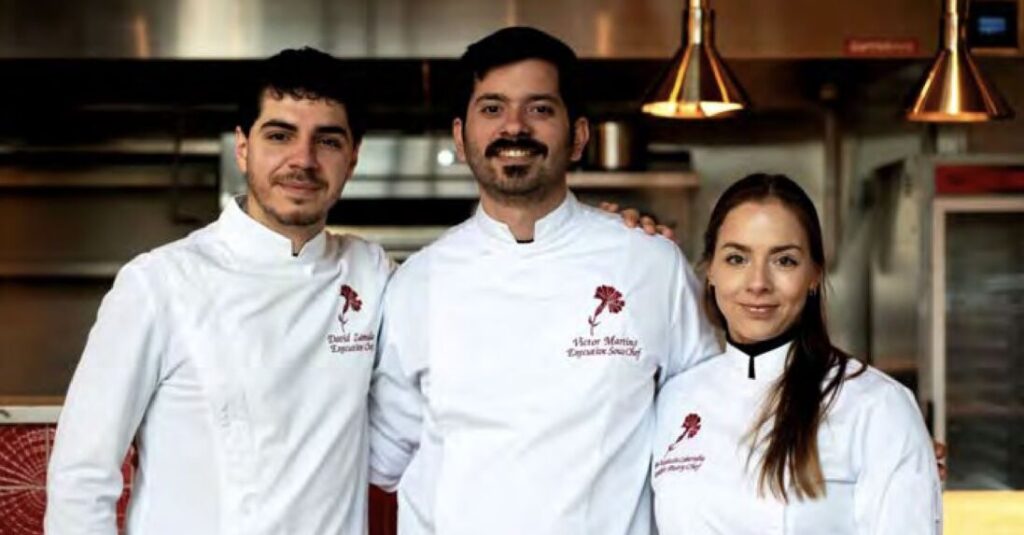
Josefina is the latest project from James Beard-nominated chef David Zamudio, who named the restaurant for his grandmother. Zamudio graduated from high school at 15 and decided to attend culinary school while figuring out his goals for the future, which would change the course of his life. He got his start in the culinary world working as a chef on a Silversea luxury cruise ship, later training at renowned restaurants like Pujol in Mexico City and Martín Berasategui in Lasarte-Oria, Spain.
“My goal was always to learn as much as I could and open my own restaurant by the time I was 30,” Zamudio recalls. “Since I started so young, I thought that 15 years of experience would be enough to open my own business. I’m 32 now, so I’m two years late, but it ended up being a good learning curve for me.”
Zamudio’s exit from his previous cooking job proved to be very public, as he sued his former workplace, Alma Cocina Latina in Station North, after they fired him. He alleged exploitative treatment and fraud from its owners.
Updates on the suit have been scarce, but Zamudio sees the incident as a blessing in disguise.
“It was unfortunate, what happened,” Zamudio says. “At the end of the day, though, it helped me to become a better chef. I don’t see it as a negative, since it was what pushed me into opening my own restaurant and fulfilling my dream.”
He was joined by Victor Martins, who left Alma Cocina Latina at around the same time and now works as Josefina’s executive sous chef. Martins and Zamudio had worked together ever since they met at Alma Cocina Latina. Many of Josefina’s kitchen staff and employees had worked with Zamudio previously, which he says he’s thankful for.
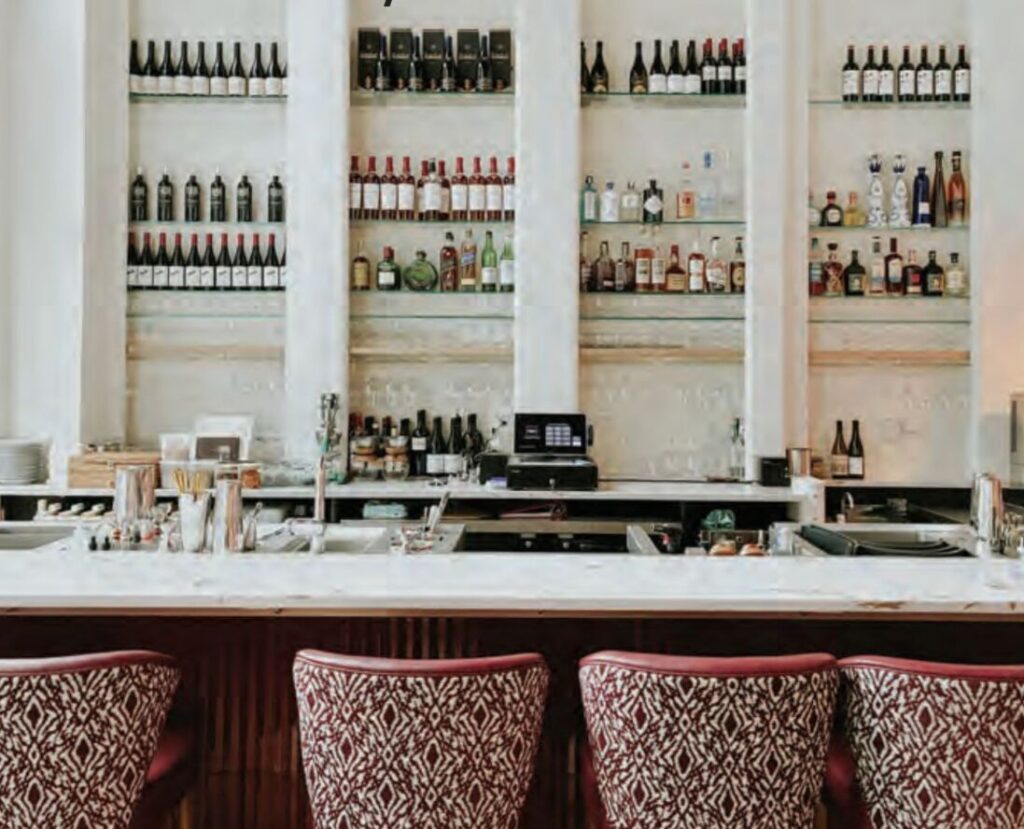
Josefina’s Harbor Point location, which was the Döner Brös kebab restaurant until it closed its doors in 2024, was specifically chosen to fit the vision Zamudio had for the restaurant. He was looking for a former restaurant building that could be renovated to fit his specific vision, rather than having to be built from the ground up.
Harbor Point and nearby Harbor East also have an interesting culinary environment — while many of their restaurants close their doors before hitting their five-year anniversary, the area is also home to some of Baltimore’s longest-lasting restaurants. Charleston in Harbor East will celebrate its 30th anniversary next year, and the recently closed Ouzo Bay lasted 14 years.
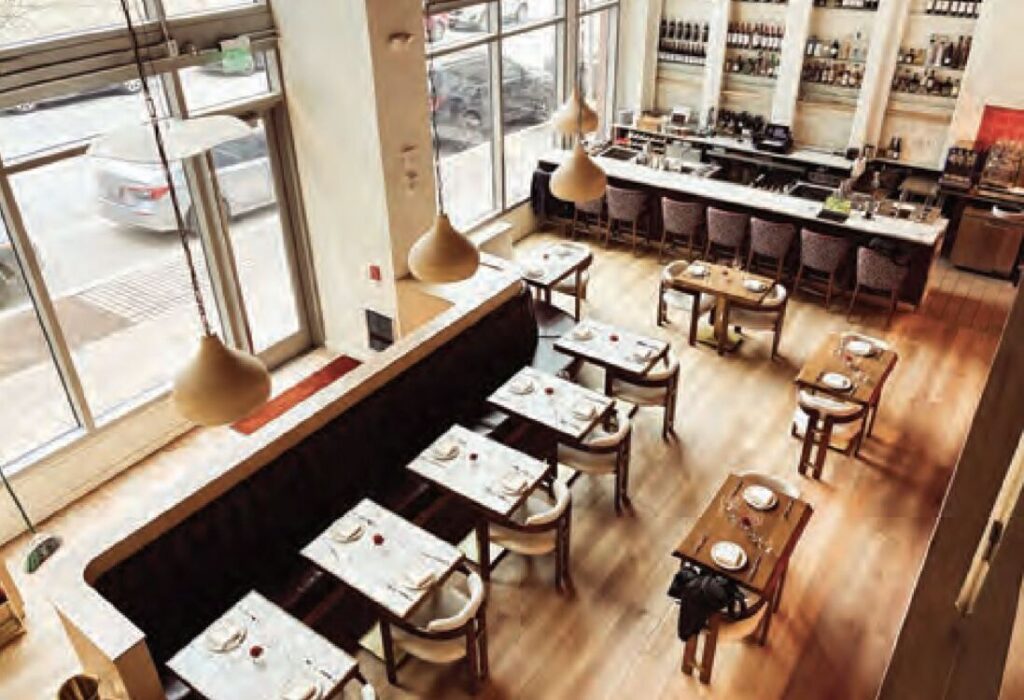
Zamudio’s goal is for Josefina to become one of those long-lasting establishments with a lifespan of at least 10 years.
“Harbor Point, right now, is offering the largest amount of potential growth,” he explains. “It has the highest-concentrated amount of offices surrounding us, with workers who like to go out for lunch and dinner. I thought it was a great spot to open a lunch and dinner restaurant. It’s very hard to find a spot where you can open for lunch and dinner and be profitable.”
Currently, Josefina is only open for dinner from 5 to 10 p.m., but a lunch menu is currently in the planning phases and Zamudio says he would like to offer brunch later down the line.
While Josefina is not focused on offering authentic Spanish food served the way that it would be served in Spain, ample research went into the restaurant’s menu. Zamudio’s mother lives in Spain, so he regularly travels there. But prior to opening Josefina, Zamudio and his partner spent one month traveling to cities across the country, sampling dishes from Michelin star restaurants to get a sense of how Spain’s best chefs are innovating and iterating on traditional Spanish dishes.
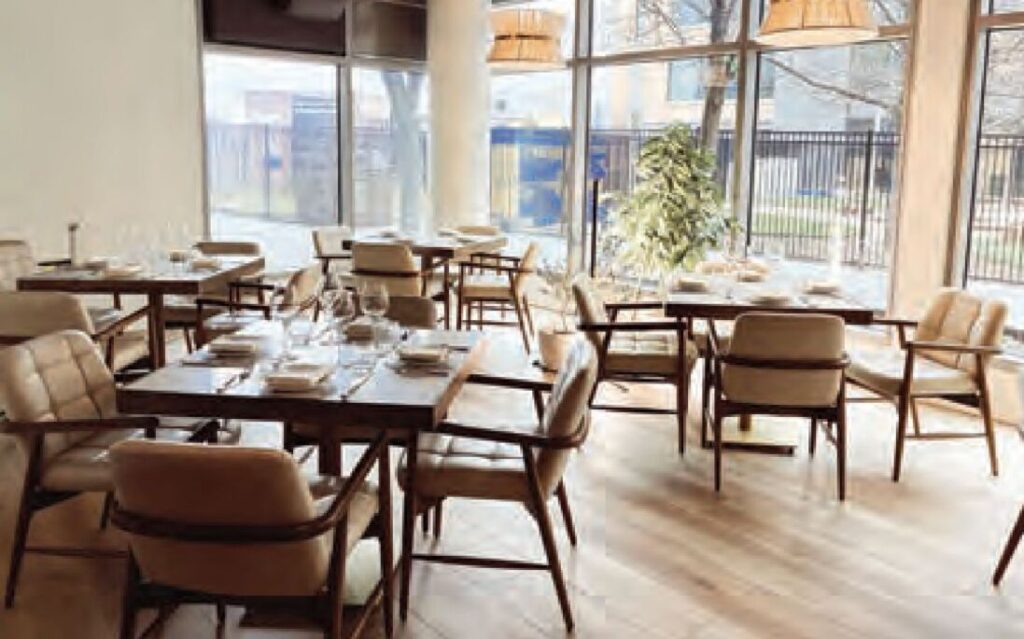
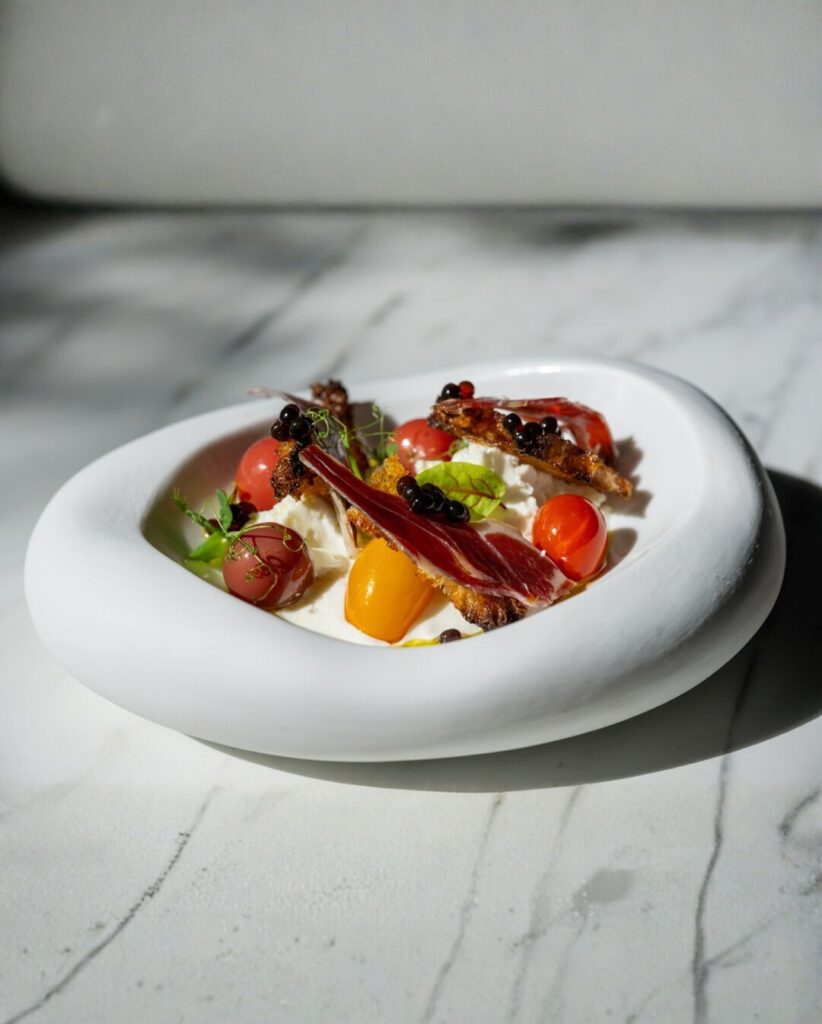
While more traditional dishes like seafood paella and octopus carpaccio are popular among diners, Josefina’s current highest-selling item is something entirely unique: the rabo de toro dumplings, which are stuffed with oxtail and sous vide egg yolk. They’re topped with caviar, which adds a popping texture to the soft and chewy dumplings.
Zamudio’s personal recommendation is the tomato tartar, which is served with paprika bread chips for dipping.
“It’s underrated, but the people who decide to go for it end up loving it,” he says. “Some people have told me that they don’t like tomatoes, but they loved the tartar.”
As of publication, Josefina has been open for four months. Zamudio and the rest of the restaurant’s leadership have big plans for its future.
By the end of 2026, Josefina is set to add a “chef’s table” experience to its lineup, where guests can try dishes from different regions of Spain. Diners will start with food from southern Spain and travel north as the meal progresses.
“You’ll get to know what each plate means, the history and culture behind it and why it’s become a traditional dish in its region,” Zamudio notes. “I think that’s so important as an experience, being able to explore food from different cultures you may not have known anything about.”