







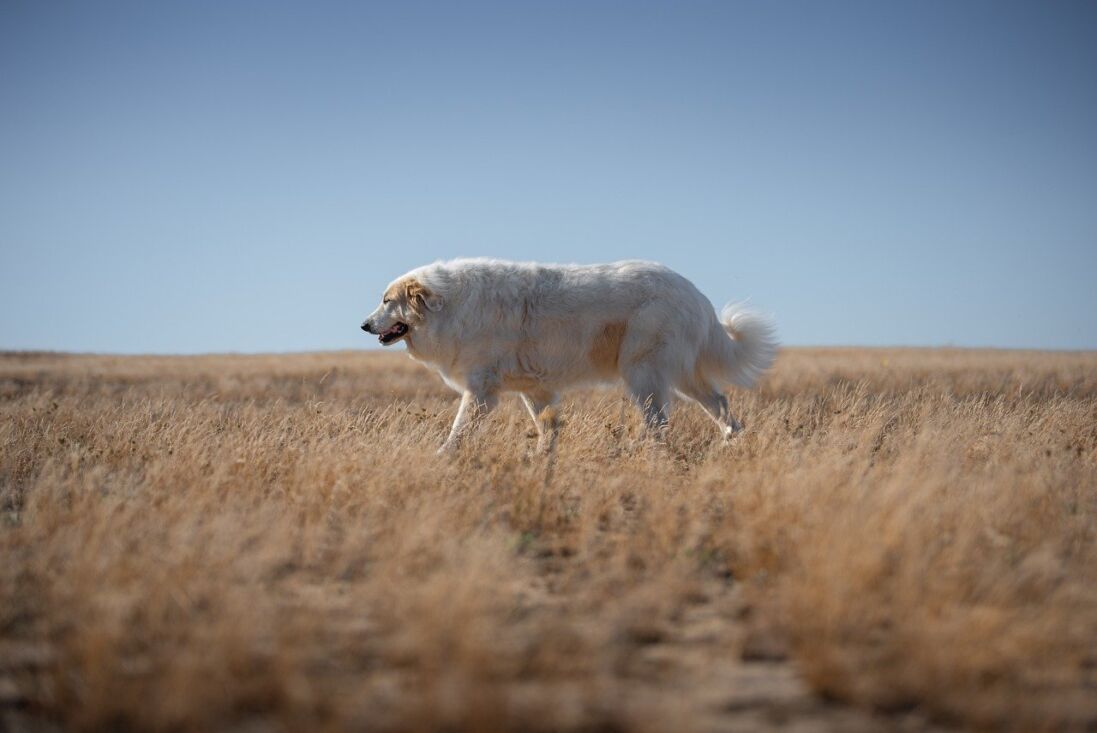
Chances are that you’re likely taking measures to stay cool this summer. But in taking care of yourself, it can be easy to forget about your furry friends.
Hot weather can affect your pets as much as it affects you, but animals are unable to voice their dissatisfaction in the same ways that humans can.
So it’s important to keep an eye on your pets and make sure that you are keeping them safe and cool. Here are some tips for pet owners to consider during hot summer weather.
Never Leave an Animal Alone in a Parked Vehicle
This should be fairly obvious, from both a safety and welfare standpoint, but leaving your dog alone in a car can be dangerous. The inside of cars can heat up very quickly. And don’t think that you can just leave your pet alone for a few minutes, either — according to the Humane Society of North Texas, animals can suffer heat exhaustion in less than six minutes.
Some might think to crack the window, but that ultimately does little to prevent an animal inside of a car from overheating. This also comes with its own risks, such as the dog climbing out the window or someone trying to steal them from inside.
Some cars, such as Teslas, feature a “Dog Mode” setting that maintains their air conditioning at a comfortable temperature while the driver is away. While this is a safer option, there have been cases of Dog Mode malfunctioning due to firmware updates, and the mode shuts off automatically when the car’s battery dies.
Ultimately, it is much safer for your pet if you take them out of the car when you are not driving, even if your car has failsafes meant to protect them.
Check the Pavement
Most dog owners usually walk their dogs on the sidewalk or street, but pavement is quick to heat up in hot weather. Humans may not notice it, because they can wear shoes, but hot pavement can burn a dog’s paws.

The American Kennel Club recommends taking caution while walking your dog when the temperature is 85 degrees or higher. This may not seem like much, but pavement absorbs heat much faster than the atmosphere does: For example, when the temperature is 86 degrees, the pavement is 135 degrees.
The American Red Cross has a simple statement for determining the safety of pavement: “If it’s hot enough to fry an egg, it’s too hot for your dog to walk on.”
Try walking your dog in the grass instead if it’s too hot to walk on the pavement. Alternatively, dog owners can adjust when they walk their dogs — typically, it is much cooler earlier in the morning or late at night.
Other paw-protection measures include shoes for dogs, which can protect a dog’s paw pads, but they can be uncomfortable to the animal and may take some time to get used to. Dog owners can also invest in paw-moisturizing products like paw wax, which prevent dogs’ paws from cracking.
Know What to do if Your Dog Overheats
It’s important to recognize the signs of heat exhaustion or heat stroke in your dog and to act as soon as possible. Dogs pant to stay cool, but if you notice your dog panting very hard or excessively, it could be a sign that they’re too hot. More serious symptoms can include their gums changing color to dark red or purple, rectal bleeding or seizures.
In these cases, you should be sure to bring your dog inside as soon as you can, or guide them to a shady spot. From there, the AKC suggests putting ice packs on their front legs and chest, pouring cool water on them and giving them water to drink.
Most importantly, if your dog has heatstroke, you should bring them to the vet as soon as possible. A vet can give you advice on what to do and how to avoid heatstroke in the future, as well as administering more serious treatments if necessary. IV fluids are a common treatment for dehydrated animals.
Consider Your Pet’s Breed
Not all animals are created equal when it comes to managing the heat. It’s possible that you have done all of the above things on the list, but your dog or cat is still overheated. This could be because they have certain features that make them more prone to heat exhaustion and heatstroke.
Flat-faced animals, such as pugs, bulldogs and Persian cats, are notably susceptible to breathing problems. Their iconic squished faces are caused by the shortening of their airways, which make breathing more difficult than it can be for other animals. Because they take in less cool air than other animals, they can overheat faster.
Another affected group is animals with short legs, like dachshunds, corgis and munchkin cats. Because they are so low to the ground, they are greatly affected by hot pavement. The heat from the ground can affect not only their paws, but their stomach as well.
Animals with long hair or double coats can also be affected by the heat. Trimming their hair can help them stay cool, but pet owners should never shave their pet without consulting a groomer or vet first. In some cases, shaving an animal can make them overheat more easily because they have less protection from UV rays.
“Shaving doesn’t do anything to cool dogs off because a dog’s cooling system is different than ours,” says Teri Becker DiMarino, president of the California Professional Pet Groomers Association, in an AKC article about double-coated dog breeds.
Some groomers recommend giving long-haired cats “lion cuts” to reduce matting and hairballs, but this is typically not done to cool them down.