





Gardening is no longer just about what blooms in spring. It has become a year-round lifestyle — one shaped by sustainability concerns, and a desire for beauty that feels manageable and meaningful.
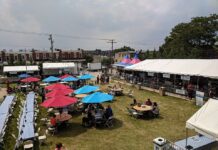
At Valley View Farms in Cockeysville, one of the country’s largest and longest-running garden centers, those shifts are visible every day. Opened in 1962 as a roadside produce stand selling crops grown on the Foard family farm in Hydes, the business has grown into a sprawling seasonal destination featuring plants, pottery, garden supplies, ponds and a major holiday shop. Today, the center is owned by Andy Foard, son of co-founder Bill Foard.
“Gardeners have embraced gardening as a lifestyle,” said Carrie Engel, greenhouse manager at Valley View Farms. “They want to learn more about gardening for food. They have also become very interested in native plants and sustainable gardening, including organic gardening.”

That interest mirrors broader national trends, as homeowners rethink water use, chemical inputs and long-term landscape resilience. In Maryland, Engel said, education has played a major role. “Maryland and its growers and nurseries have done a terrific job educating gardeners and providing plants for them,” she said, noting the continued rise of native and pollinator-friendly plantings.
At the same time, gardening has become more communal. Engel sees more customers seeking classes, workshops and community garden opportunities — an extension of a post-pandemic desire for connection and shared activity.
Design preferences are shifting as well. Naturalistic landscapes inspired by designers such as Claudia West and Kelly Norris are influencing public gardens and home landscapes. Still, Engel said most homeowners are blending styles. “Our customers like a mix of that plus some formal designs around their foundation plantings,” she said.
Inside the home, smaller is trending. Engel pointed to the popularity of miniature houseplants, terrariums, bonsai and mixed foliage gardens — options that fit apartment living and busy schedules. Outdoors, fruit trees and berry plants continue to sell well beyond the traditional spring season.
“More ethnic vegetables are asked for as people want to grow what they have been consuming in restaurants,” Engel said.
How people garden is changing, too. While many customers still enjoy watching plants grow from small starters, Engel said others want instant results. “Many also want to start with larger plants, and ready-made container gardens that make an instant impact,” she said. She has also noticed more grandparents gardening alongside grandchildren.
Low-maintenance gardening remains a priority, particularly among retirees. “Retired people want to spend more time on container gardening, less on the big jobs of mowing, pruning, and weeding,” Engel said. Her advice is consistent: “The right plants for the right place in the landscape.”
Container gardens and raised beds are especially popular with older gardeners and those working with limited space. Valley View Farms has expanded its pottery department in response, and potting soil sales continue to rise.
Climate concerns are shaping decisions, though not always simply. Heat-tolerant and drought-resistant plants are in demand, but container gardens still require regular watering. Engel noted that last fall’s drought may show its effects this year, particularly on trees and shrubs.
Sustainability concerns now rank alongside practical ones. “Native plants and non-chemical reliance seem to be two of our most pressing issues,” Engel said. “Deer and rabbit resistance are very high on the list too.”
As for what’s next, Engel points to familiar favorites with staying power. “Blooming shrubs, like hydrangeas, are still trending,” she said, along with branded plants such as Proven Winners and Wave petunias.
In a region where gardens must balance beauty, climate realities and busy lives, the trend is clear: Baltimore gardeners want landscapes that feel personal, purposeful and possible.