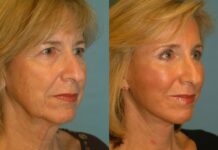






There’s a certain look that defines summer in Baltimore — long days on the water, afternoons at the pool, and skin that carries a sun-kissed glow. But dermatologists say that glow often comes at a cost.
“Any tan is a sign of UV damage,” said Sean Wu, a Baltimore-area dermatologist. “It can increase skin cancer risk and accelerate premature aging.”
That message runs counter to decades of cultural messaging that equates tanned skin with health. In reality, Wu said, tanning is the skin’s response to injury from ultraviolet radiation. Over time, that repeated injury can lead not only to wrinkles and discoloration, but to more serious consequences, including skin cancer.
For those who want the look without the risk, Wu suggests a safer alternative.

“If you want to look tan, you may wish to use a self-tanning product,” he said, “but continue to use sunscreen with it.”
In a region like Baltimore, where summer often means time on the Chesapeake Bay, sun exposure can be especially intense. Water reflects ultraviolet rays, increasing exposure even on days that don’t feel particularly hot. Combined with humidity and long hours outdoors, that makes consistent protection even more important.
Still, many people fall short when it comes to basic sun safety. The most common mistake, Wu said, is simply not using enough sunscreen.
“At a minimum, most adults need about one ounce of sunscreen — roughly the amount to fill a shot glass — to fully cover skin not covered by clothing,” he said.
Equally important is reapplication. Sunscreen wears off over time, especially with swimming and sweating, yet many people apply it once and assume they’re protected for the day.
“Forgetting to reapply every two hours when outdoors is a big issue,” Wu said.
He also points to a broader oversight: sunscreen alone isn’t enough.
“People forget the other measures to minimize UV exposure,” he said, including sun-protective clothing and seeking shade, particularly between 10 a.m. and 2 p.m., when the sun’s rays are strongest.
Choosing the right sunscreen can also make a difference. Wu recommends looking beyond the SPF number and focusing on several key features.
An SPF of 30 or higher is a baseline, he said, offering protection from about 97 percent of UVB rays. But SPF alone doesn’t tell the whole story.
“Broad spectrum” protection is essential, meaning the product shields against both UVA and UVB rays — both of which contribute to skin cancer.
Water resistance is another important factor, especially for beach and pool days. A label indicating at least 40 minutes of water resistance can help ensure protection holds up during swimming or heavy sweating.
Wu also highlights mineral sunscreens, which use ingredients such as zinc oxide or titanium dioxide. These are generally well tolerated and are often recommended for children and those with sensitive skin.
For some patients, particularly those prone to hyperpigmentation, tinted sunscreens can provide an added benefit. These products help protect not only from ultraviolet radiation but also from visible light, which can contribute to uneven skin tone, especially in individuals with darker complexions.
While many people rely on moisturizers or makeup that contain SPF, Wu said those products are best suited for everyday incidental exposure, not extended time outdoors.
“Moisturizers and make-up with sunscreen are great for everyday use,” he said. “However, dedicated sunscreens are better for when you’re outdoors.”
That’s because sunscreen needs to be reapplied regularly — something that’s difficult to do with makeup alone.
Beyond sunscreen, simple behavioral changes can significantly reduce risk. Seeking shade when possible, wearing a wide-brimmed hat and UV-protective sunglasses, and choosing lightweight long-sleeved clothing can all help limit exposure. Avoiding tanning beds is also critical.
Ultraviolet light from both the sun and tanning beds is a known carcinogen, according to the U.S. Department of Health and Human Services and the World Health Organization, and is linked to both skin cancer and accelerated aging.
Even with careful protection, dermatologists emphasize the importance of monitoring the skin for changes. Melanoma, the most serious form of skin cancer, can often be detected early with regular self-exams.
Wu recommends following the ABCDE rule when evaluating moles: asymmetry, irregular borders, multiple or uneven colors, diameter larger than six millimeters and any evolution or change in size or appearance.
“If someone is unsure about a changing mole or other skin lesion, please consult with a dermatologist,” he said.
Early detection can make a significant difference in outcomes, which is why paying attention to subtle changes matters.
For those focused on maintaining healthy, glowing skin, Wu said the most effective approach is also the simplest.
“Sun protection is by far the most proven way to keep skin looking young and healthy,” he said.
Other habits can support that goal. Using a gentle cleanser and daily moisturizer helps maintain the skin barrier, while topical retinoids — whether over-the-counter retinol or prescription tretinoin — can improve skin texture and tone when used consistently and appropriately.
Lifestyle factors also play a role. A balanced diet rich in fruits and vegetables, regular exercise and avoiding smoking can all contribute to healthier skin over time.
Ultimately, the goal is not to avoid summer, but to approach it differently. In a place like Baltimore, where warm weather invites time outdoors, that means being mindful of how much sun the skin is absorbing — and taking steps to protect it.
A healthy glow, Wu said, isn’t about tanning at all.
“Sun protection is by far the most proven way to keep skin looking young and healthy.”