





Anonymous Donations Remain Special for Area Nonprofits
The nonprofit space in Baltimore is crowded.
There are a number of organizations that benefit a number of causes, doing so by obtaining funding through a number of methods. Some organizations rely on grants, some on corporate sponsorships and some on philanthropy. But one form of funding seems to rise above the rest in interest for some nonprofits: anonymous donations.
Godfrey Molen is the founder and executive director of Friendly Loving Opportunities, a nonprofit organization based in the city that focuses on at-risk communities such as minorities and the homeless. He says that his organization has been able to operate thus far without a large anonymous donation, but that obtaining one is still a goal of his.

“We haven’t been blessed yet to get one of those huge donations, but I can see why those who do give would want to remain anonymous,” he says. “Some nonprofits can be aggressive. They keep calling and requesting funds. It’s like winning the lottery — you don’t want everyone to know.”
Obtaining funding is tricky in a city that has a lot of causes to benefit and a host of organizations vying to do so.
Chrissy Thornton is the president and CEO of Associated Black Charities in Baltimore, a longtime staple of the local nonprofit community that works on behalf of the city’s vibrant Black community.
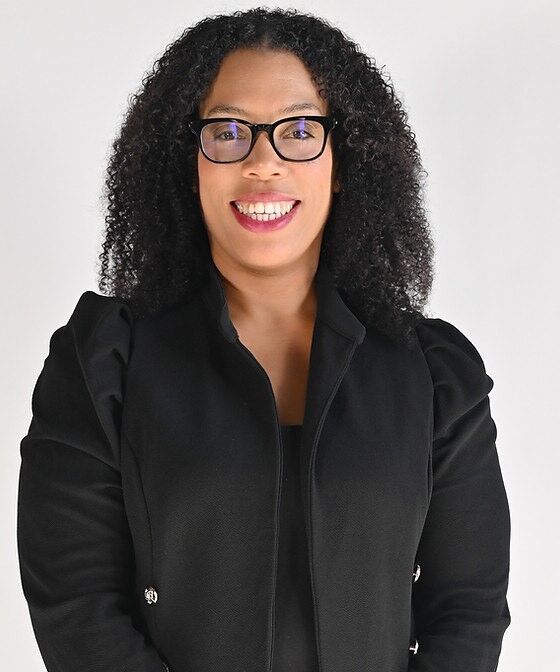
She says that anonymous donations to the organization are rare, but when they do come in, it usually means something important: that they are very large.
“That’s when we have the blessing of getting higher-level donations,” she says.
Dan Mangiavellano is the vice president of planned and major gifts at United Way of Central Maryland.
He says that his organization does not receive a large number of anonymous donations, but then they are generally on the larger end when they do get them — typically, five or six figures or even more.
Mangiavellano says that he thinks the largest motivation at this point for anonymous giving is the shrinking list of significant donors for many nonprofits.
“Fewer donors are giving more dollars,” he says. “I think a donor might think, ‘I want to be anonymous so that other organizations don’t come after me.’”
Thornton adds that an anonymous donation is still almost always not anonymous internally. Most of the time, the decision revolves around public knowledge of the act, so the donor is not as concerned about the staff or administration of the charity knowing who they are.
Kim Callari is the executive director of the Baltimore Station, which works with homeless veterans recovering from chronic substance abuse and other mental and behavioral health challenges.
She says only about 1% of the organization’s donations are anonymous; however, it is not unheard of. Recently, there was even a donor who wanted the ultimate level of anonymity.
“We actually received a sizable donation this year from a person who wanted to remain anonymous